
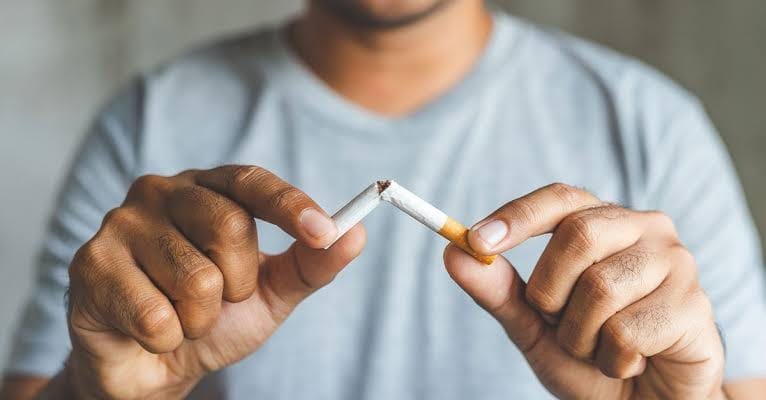
Speak to most smokers and a familiar pattern begins to emerge. Many say they want to quit. Some have tried more than once. A few have even stopped for weeks or months before starting again.
The gap is not always in intention. It is in the ability to sustain that decision. In Pakistan, where more than 14 million adults smoke and prevalence remains significant, this gap has become an important but often overlooked part of the public-health conversation. The issue is not simply why people smoke, but why so many struggle to stop even when they want to.
Part of the answer lies in how smoking works beyond the surface. Nicotine dependence is one layer, but smoking is also deeply tied to routine, environment, and behaviour. It becomes part of daily rhythms. A cigarette with tea, a break during work, a moment of stress, a social setting with friends. Over time, these patterns reinforce themselves. Even when someone decides to quit, these triggers remain.
That is why quitting is rarely a single decision. It is a process, often marked by multiple attempts. Cravings, withdrawal symptoms, and habitual cues can pull people back, sometimes within days. This does not mean the intention to quit was weak. It reflects how complex the dependency can be when both chemical and behavioural factors are involved.
This is where the conversation in Pakistan often becomes too narrow. Public messaging tends to stop at “quit smoking,” without always addressing how difficult that journey can be or what support systems are available. As a result, many smokers are left navigating the process on their own, without clear guidance or practical pathways.
A more realistic approach would recognise this gap. Quitting combustible cigarettes remains the most effective way to reduce risk. That does not change. But it is also important to acknowledge that not all smokers quit immediately, even after repeated attempts. Ignoring this reality can limit the effectiveness of tobacco-control efforts.
Globally, this has led to a gradual shift in how the issue is discussed. There is increasing attention on reducing exposure to the harmful by-products of burning tobacco, especially for smokers who would otherwise continue smoking. This is where the concept of tobacco harm reduction enters the conversation, focusing on reducing the harms associated with burning tobacco rather than treating all nicotine use as identical.
In Pakistan, this discussion is still emerging but becoming more visible in policy and media spaces.
At its core, the idea is straightforward. If the greatest harm comes from burning tobacco, then reducing reliance on cigarettes that burn tobacco becomes a key step in lowering overall risk. For smokers who are unable to quit immediately, this opens up a more practical question: what options exist to reduce exposure while they work towards quitting?
This does not replace the goal of quitting. It complements it. A stronger public-health response would therefore combine both elements. On one side, continued emphasis on cessation and support systems. On the other, a more informed and evidence-based discussion around reducing harm for those who continue to smoke.
Because the real issue is not whether smokers want to quit. Many already do. The real question is whether the system around them is designed to help them succeed, whether through support, guidance, or more realistic pathways away from combustible cigarettes.
Until that gap is addressed, the cycle of trying, relapsing, and trying again will continue, often without the support needed to break it.